Starting a Late-Season Vegetable Garden for a Fall Harvest
Starting a fall garden can feel like a race: summer crops are fading, the soil is still hot, and cooler weather is on its way. In South Carolina, success comes from choosing crops that can mature in the time left, helping seedlings through heat, and planning around local frost risk. Here’s how to make a late-season planting more manageable.
Start with the growing window you actually have
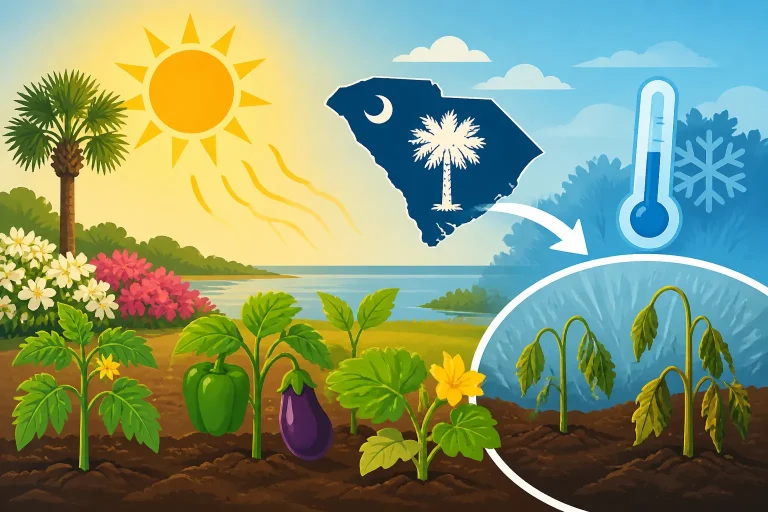
A late-season garden is not simply a spring garden planted later. The weather is moving in a different direction: hot soil and warm days may stress new seedlings, while shortening days and approaching cold can limit how much time crops have to mature. The best plan fits both conditions rather than relying on a single calendar date.
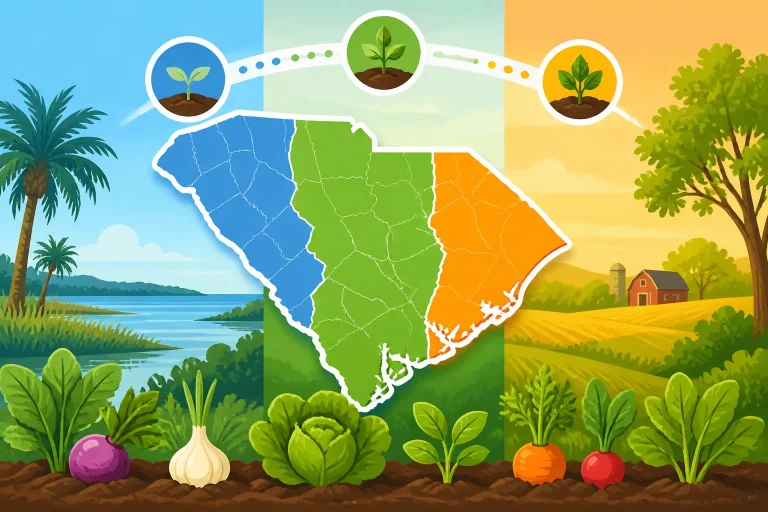
Start by identifying your part of South Carolina and finding planting guidance that matches it. Coastal, central, and Upstate gardens do not share identical conditions. A planting window suited to a warm coastal garden may be a poor fit for a cooler inland site. Comparing Regional Fall Vegetable Calendars Across South Carolina can help you think about those differences, while South Carolina Fall Planting Windows for Cool-Season Vegetables provides a broader seasonal perspective.
Next, use local frost information as a planning aid, not a promise. Frost dates describe probabilities, and conditions in a particular yard can differ from those at a weather station. Low areas, exposed sites, buildings, and nearby pavement can all affect how quickly a bed cools. For help choosing relevant local data, see How to Pick the Right Weather Station for Local Frost Data. If you want a broader view of how frost risk fits into garden decisions, Using Local Spring Freeze Normals Before Sowing South Carolina Crops covers the same planning principle for spring.
Before buying seed or setting out transplants, work backward from the likely end of your growing window. Check the crop’s stated days to maturity on its seed packet or plant tag, and consider whether that estimate is counted from sowing or transplanting. Treat that figure as a guide rather than a guarantee: weather, light, soil conditions, and transplant stress can all affect development. If a crop appears unlikely to mature in the time you have, choose a quicker option or put the space toward a crop that can still provide a useful harvest.
This is also a good time to decide what “success” means for your garden. A late planting does not need to produce a large harvest to be worthwhile. A bed of greens for repeated picking, a short row of roots, or a few transplants that establish before cold weather may suit your space and schedule better than trying to recreate a full summer garden.
| Planning question | What to check | Why it matters |
|---|---|---|
| Which regional guidance fits my yard? | Coastal, central, or Upstate conditions | Local planting windows can differ |
| How much growing time remains? | Local frost information and the crop’s maturity estimate | A slow crop may not finish before cold weather |
| Can I keep the planting moist? | Water access, drainage, and likely time for care | Young plants are vulnerable to drying |
| Is the bed ready? | Sunlight, soil condition, weeds, and remaining summer crops | A prepared bed gives seedlings a better start |
| What harvest do I want? | Leaves, roots, pods, or a spring crop | The goal helps narrow crop choices |
The garden’s location matters just as much as its broad region. A sunny bed may stay warmer than an open, windy one; a low spot may collect cold air or water. Those differences are reasons to observe your own yard and adapt a regional schedule, not reasons to ignore it. Vegetable Planting Dates for Your South Carolina County can help narrow down guidance for your area.
Choose crops for the time and conditions ahead
A useful late-season crop is one that fits the remaining growing window and the conditions it will face. Consider how quickly it matures, whether it is usually sown directly or transplanted, and how much attention it needs while young. For a first fall planting, it is often easier to choose a small set of crops with similar needs than to scatter many unfamiliar crops across the garden.
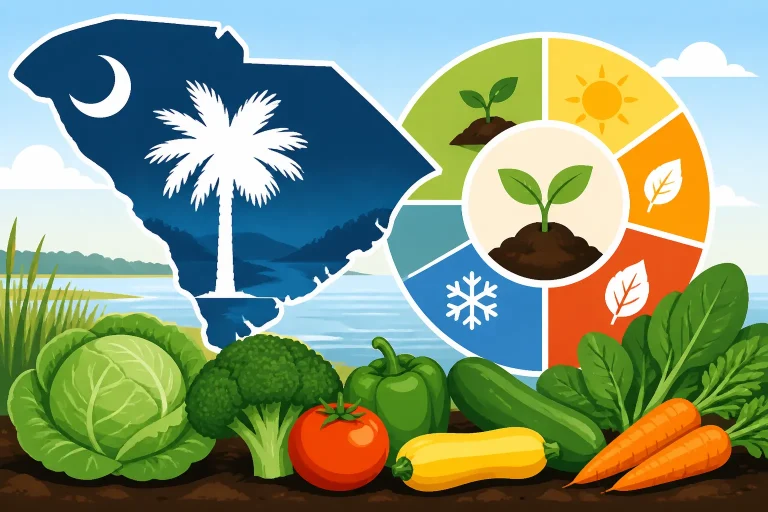
Cool-season vegetables are common choices for fall because they are suited to conditions that become milder as the season changes. Leafy crops and some root crops can be practical options, but their performance still depends on when they are planted and how much time they have to establish. Use a regional guide to compare crops instead of assuming every cool-season vegetable fits every South Carolina location. South Carolina Vegetable Seasons: Warm vs Cool Crops explains the distinction, and South Carolina Fall Planting Windows for Cool-Season Vegetables helps connect crop type with the fall season.
A crop’s days to maturity are only part of the decision. A fast-maturing crop may be a better fit than a slow one, but only if it can germinate and grow in the conditions at the planting site. Some seeds can struggle in very warm soil, while young transplants can wilt or stall after moving into a hot, dry bed. Check the seed packet or plant tag for the crop’s preferred conditions, and ask a local extension office for region-specific guidance when the recommendation is unclear.
Think about the harvest style, too. Leafy crops can often be picked a little at a time, while root crops are generally harvested as individual plants. A small planting of a crop you already cook with may be more useful than a larger planting chosen only because it seems suited to fall. Consider whether you have room to protect the bed, keep it watered, and harvest while the crop is at its best.
Strawberries are worth considering if you want a planting that is established in fall for a later harvest, rather than a quick fall vegetable harvest. According to Clemson University Cooperative Extension Service, strawberries are best planted in the fall for a spring harvest. Check that transplants are available and choose a site that suits their growing needs. For more on the seasonal trade-off, see How Fall Strawberry Planting Prepares Roots for Spring Production.
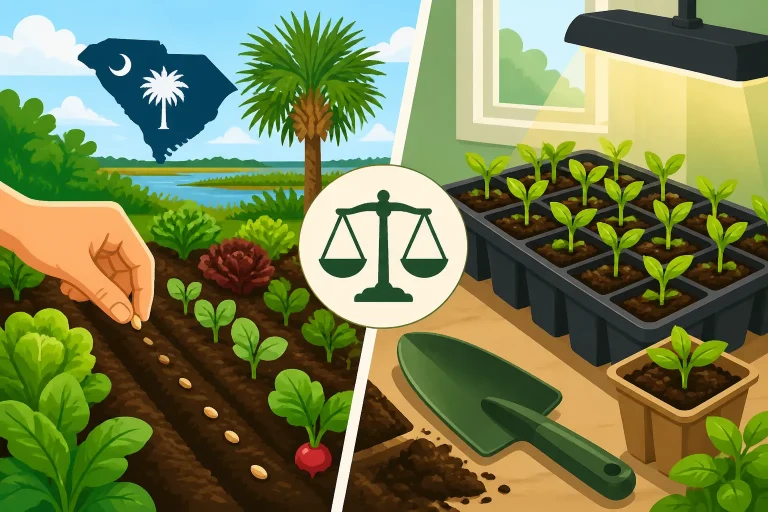
If you are choosing between seeds and transplants, match the method to the crop and the time available. Direct sowing avoids transplant shock and can be convenient for crops that are commonly started in place. Transplants can give slower-starting crops a head start, but they need careful watering as their roots settle in. Direct Sowing vs Starting Seeds Indoors for Home Beds explains the practical differences; Coordinating Direct Seeding and Transplants Across South Carolina can help you plan both approaches together.
Be cautious about trying to rescue a planting by adding crops that are poorly suited to the season. A warm-season crop may continue growing for a while in mild weather, but a late start can leave too little time for a useful harvest before cold conditions arrive. Conversely, sowing a cool-season crop into baking soil can delay or reduce establishment. If you are unsure whether there is still enough time, Is It Too Late to Plant? Crops You Can Still Harvest can help you weigh what remains possible.
Prepare the bed before sowing
Late-season planting often follows months of summer growth, so the bed may be compacted, dry, weedy, or full of roots and plant debris. Preparing it before you sow saves time when seedlings need attention. Remove spent plants and weeds, then check that the soil is workable and drains reasonably well. Avoid digging or working soil when it is so wet that it smears or packs down.
If a summer crop is still producing, decide whether it is worth keeping. A healthy plant with fruit still developing may deserve its space. A declining plant that is no longer productive may be using room, water, and attention that could go to a fall crop. Remove only what you are ready to clear; there is no need to pull an entire bed simply because the calendar has changed. Managing Seasonal Crop Transitions in South Carolina Gardens offers more help with moving from one planting to another.
Clear debris that could interfere with sowing, and break up large clods enough to make a suitable seedbed. Keep the surface reasonably even so that water reaches the planting area rather than running away from it. If the bed has settled or its soil condition is poor, review Building and Filling Raised Beds in South Carolina Gardens for bed preparation ideas. Avoid adding amendments by guesswork; if you are unsure what the soil needs, consult guidance from a local extension office or another qualified local source.
Sunlight deserves a fresh look before planting. The angle of the sun changes through the seasons, and a bed that seemed bright during summer may receive different light as the season progresses. Nearby trees, fences, or taller crops can cast shade over a fall planting. Check the site at different times of day and make room for crops that need stronger light. Planning Sunlight Exposure Across Seasons in South Carolina Beds explains how changing exposure can affect a garden layout.
Plan the layout before sowing, especially if you are using more than one crop. Keep taller plants from shading smaller ones, leave paths or reach-in space for harvesting, and avoid placing a new planting where it will be difficult to water. If you are replacing a crop in the same bed, consider whether rotating families or shifting crops to another area would help. Crop Rotation Strategies to Protect South Carolina Vegetable Beds discusses ways to reduce repeated planting in the same space.
Moisture management can make or break establishment. Hot soil and dry weather can pull moisture from the seedbed quickly, but soggy soil can also create poor conditions for seeds and young roots. Check soil moisture rather than relying only on how the surface looks. Water gently enough to avoid washing seeds out of place, and adjust as weather and plant growth change. If you use mulch, keep it from smothering tiny seedlings or preventing light from reaching newly sown rows.
Sow and establish plants through lingering heat
The most challenging part of a late-season planting may be getting it started while summer conditions persist. A seed may sit in warm, dry soil, or a new transplant may wilt before its roots have spread. A little extra planning at planting time can reduce those problems.
For direct-sown crops, prepare the seedbed and follow the seed packet’s directions for placement and spacing. Keep the surface evenly moist while seeds germinate, checking more often during hot or dry spells. Avoid flooding the bed; seeds can be displaced and the soil can form a crust. Once seedlings emerge, thin them according to the packet instructions so remaining plants have room to grow.
If the soil is very hot, consider whether you can create a better start without changing the crop’s recommended planting method. Some gardeners use temporary shade to reduce stress on emerging seedlings, then remove it as conditions become more favorable. Any covering should allow air movement and should not press down on tender plants. Shade is a short-term tool, not a substitute for choosing an appropriate crop or providing water.
Transplants need an adjustment period after they are set out. Plant them carefully, firm the surrounding soil gently, and water them in. Check for wilting and dry soil while roots establish, but do not respond to every wilted leaf by soaking the bed; heat can cause temporary midday wilting even when soil is moist. Look at the plant and soil together, and aim for steady moisture rather than extremes.
Sowing in more than one small batch can spread risk and help keep harvests coming. If one sowing encounters unfavorable weather, a later one may establish better; if conditions are suitable, staggered sowings can also help prevent everything from maturing at once. The approach works best when you have enough time for the later planting to grow. Scheduling Succession Sowings of Fall Greens for Winter Harvests offers more detail on planning repeated sowings.
It can be tempting to plant an entire packet at once, especially after preparing the bed. Before doing so, compare the crop’s maturity estimate with the remaining season and think about how much you can eat or preserve. Sow a manageable amount first, then reserve some seed in case a second sowing makes sense. Follow the packet’s storage instructions for any unused seed.
As seedlings grow, thin crowded areas rather than allowing plants to compete. Good spacing improves access to light and airflow and makes watering and harvesting easier. Keep the bed free of weeds while seedlings are small; weeds can quickly compete for moisture and space. For crops that need support, plan it while plants are young instead of trying to install a structure through a crowded bed later.
Care for the planting as temperatures change
A fall bed still needs regular attention, even when days begin to feel cooler. Check moisture at the root zone, remove weeds before they set in, and look over plants for signs of stress. The right care depends on the crop, soil, and weather, so avoid using a fixed watering schedule that ignores rainfall or changing conditions.
As plants establish, adjust watering to their needs. Shallow, frequent wetting may leave the deeper soil dry, while heavy watering in poorly draining soil can keep roots too wet. If water tends to run off or collect, address the bed’s drainage and surface condition rather than simply watering more. Managing Soil, Trellising, and Watering in South Carolina Gardens provides broader care guidance, and Keeping Raised Bed Soil Evenly Moist During South Carolina Summers focuses on moisture management in raised beds.
Mulch can help reduce weeds and slow moisture loss, but apply it with care around small plants. A thick layer over newly sown rows may block emergence. Leave room around young stems, and check that the soil beneath remains moist rather than assuming mulch has solved the problem. If you are considering materials or placement, Mulching Vegetable Beds for Weed Control in South Carolina discusses ways to use mulch in vegetable beds.
Watch for pests and disease, particularly when foliage remains wet or plants are crowded. Begin by identifying what is actually happening. Chewed leaves, spots, discoloration, or wilting can have different causes, and treating the wrong problem can waste effort or harm beneficial insects. Remove badly damaged plant material when appropriate, improve airflow where possible, and seek help from an extension office if the cause is unclear. Managing Plant Pests and Diseases in South Carolina and Using Integrated Pest Management to Control Garden Insects explain how to approach diagnosis and management.
If you decide to use a pesticide, herbicide, or fertilizer, follow its product label, which is the legal instruction for use. Do not assume that a product or practice suitable for one crop is appropriate for another. Keep any treatment specific to the identified problem and the intended use.
As colder weather approaches, keep an eye on local forecasts and decide in advance how you will respond. Covers or other temporary protection may help in some situations, but their usefulness depends on the forecast, crop, and setup. A cover that touches tender foliage or is not secured can offer little protection. For practical options, see Protecting Tender Warm-Season Crops from Spring Freezing Weather and Installing Cold Frames to Shelter Backyard Greens During Sudden Dips. Although the first title focuses on spring, the broader lesson is to plan protection around the crop and actual conditions rather than assuming a cover guarantees safety.
Harvest promptly when crops are ready. Regular picking can encourage continued production in some crops, while leaving mature plants in place may make it harder to spot pests or plan the next planting. Use the crop’s normal harvest cues and handle produce gently. If a crop does not mature as expected, take note of the sowing date, weather, and site conditions. That information can help you make a better choice next season.
Frequently Asked Questions
Can I start a fall garden while summer crops are still producing?
Yes. You can start seedlings or prepare another part of the bed while summer crops remain in place. Make sure the new planting has enough light, water, and space, and clear spent summer plants when they are no longer worth keeping.
Should I direct sow seeds or use transplants?
Choose the method that suits the crop, the time remaining, and the condition of your bed. Seeds are convenient for crops that establish well in place; transplants can help when a crop benefits from a head start. Follow crop-specific instructions and give newly planted seeds or transplants careful moisture management.
What if I do not know when frost usually comes to my garden?
Use local frost information as a planning reference, while remembering that frost timing varies from year to year and yard conditions can differ. Choose data from a relevant weather station and be prepared to adjust based on the forecast.
Are strawberries a fall vegetable crop?
No. Strawberries are a fruit crop, and their fall planting is aimed at a spring harvest. Check for available transplants and select a site suited to the plants.
Sources
- Clemson University Cooperative Extension Service — Fruit and Nut Crops Ranked by Difficulty for Home Gardeners | Home & Garden Information Center (checked November 15, 2026)
Disclaimer
This article is for general informational purposes only and does not constitute professional advice. Laws, prices and regulations vary by location and change over time. Consult a qualified professional for guidance on your specific situation. South Carolina Gardening Guide is not a government agency and is not affiliated with any university extension, state department of agriculture or other government agency.