Direct Sowing vs Starting Seeds Indoors for Home Beds
Choosing between sowing seeds outdoors and starting them inside can affect how much you harvest, how much work you take on, and whether young plants cope with South Carolina’s changing weather. The best method depends on the crop, the season, and your bed conditions. Here’s how to decide, avoid common setbacks, and combine both approaches in one garden.
How to Choose Between Direct Sowing and Indoor Starts
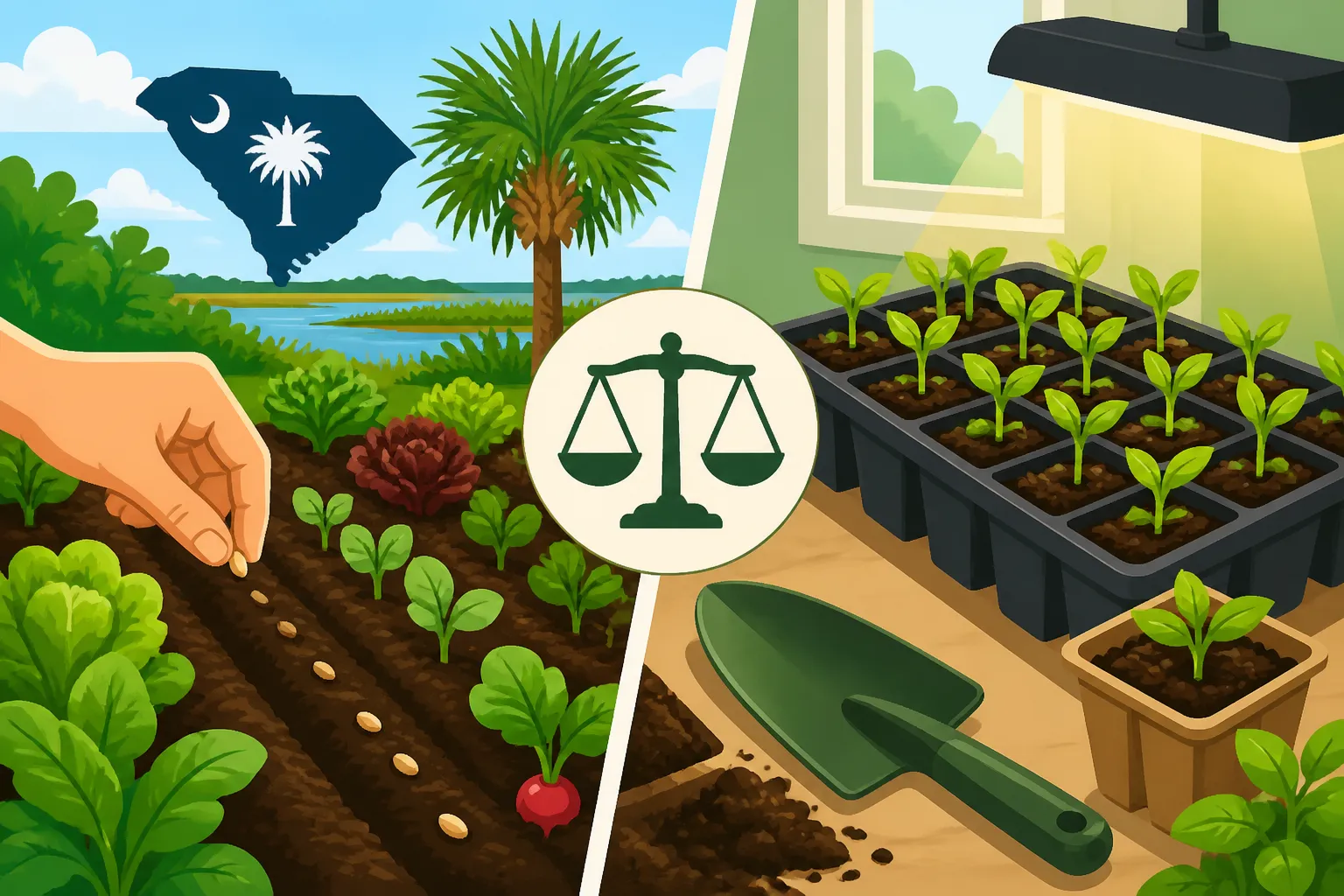
Direct sowing means planting seeds where the crops will grow. Indoor starting means germinating seeds in containers and moving the young plants to the garden later. Neither method is automatically better: each suits different crops and circumstances.
Start with the seed packet. It usually indicates whether a crop is best sown outdoors or can be started inside, along with its preferred soil conditions and transplant guidance. For example, a seed packet from Botanical Interests can help you check the recommended sowing method for that specific crop and variety. Treat those instructions as a starting point, then account for your garden’s conditions.
A useful decision comes down to four questions:
- Does the crop tolerate transplanting? Crops with roots that dislike disturbance, such as carrots, are usually easiest to sow in place. Crops commonly raised as transplants, such as tomatoes, can be started indoors.
- Does the seed need warm or cool soil to germinate? Soil temperature can be more important than the calendar. Warm-season seeds planted too early in chilly soil may germinate poorly or slowly.
- How much growing time do you have? Indoor starts give some crops a head start, which can matter when the outdoor season is short or when a crop takes a while to mature.
- Can you give seedlings the care they need? Indoor seedlings need sufficient light, appropriate moisture, and a careful transition outdoors. If those steps are impractical, direct sowing or buying healthy transplants may be simpler.
| Method | Often a good fit for | Main advantage | Common drawback |
|---|---|---|---|
| Direct sowing | Root crops, peas, beans, corn, and many quick-growing greens | Seeds grow in their final location, avoiding transplant stress | Germination and early growth depend on outdoor conditions |
| Starting indoors | Tomatoes, peppers, eggplant, and many brassica transplants | Gives slow-starting crops time to develop before planting out | Needs indoor space, light, watering, and a hardening-off period |
| Either method | Some cucurbits and leafy crops | Lets you choose based on timing and garden setup | Transplants can be set back if roots are disturbed or conditions are harsh |
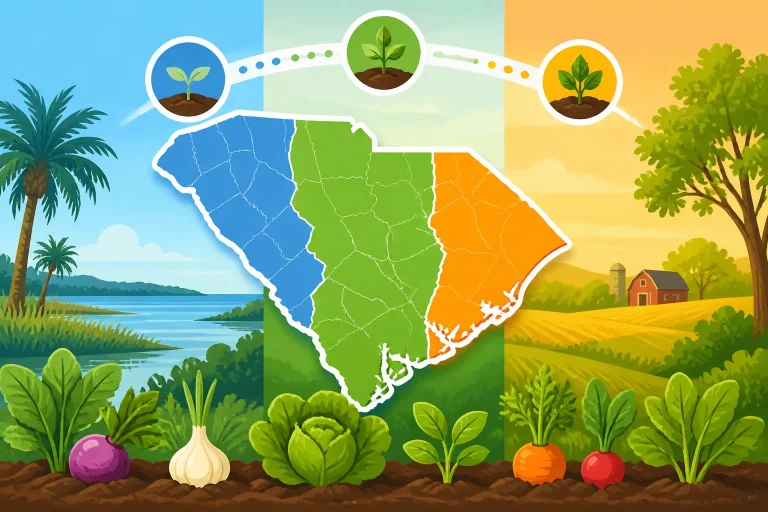
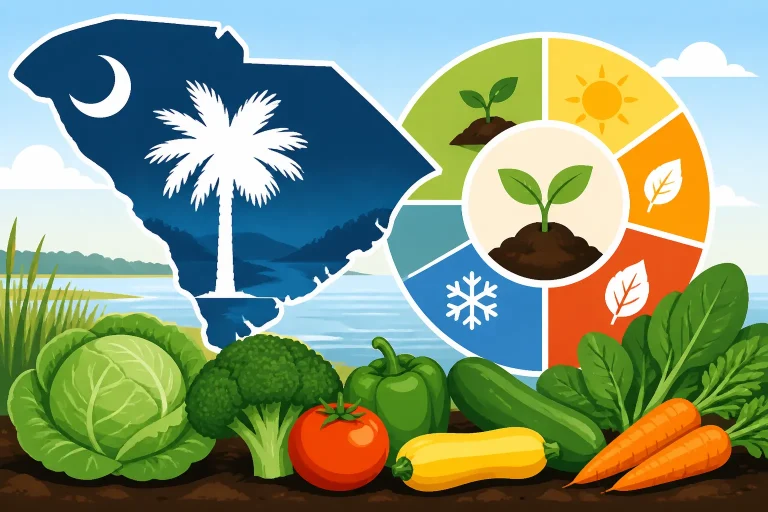
In South Carolina, one planting method will not suit every crop or every part of the year. Cool-season crops and warm-season crops have different temperature needs, and the state’s regions experience seasonal changes at different times. South Carolina Vegetable Seasons: Warm vs Cool Crops explains the broad distinction; Vegetable Planting Dates for Your South Carolina County is a useful next step when you need to narrow timing to your area.
When Direct Sowing Makes More Sense
Direct sowing works especially well for crops that grow quickly, develop sensitive roots, or do not need a long indoor head start. It also saves the effort of moving seedlings from containers to beds.
Crops that are usually sown outdoors
Many common vegetables are practical to sow in their final growing spot:
- Carrots and other root crops: Their developing roots can fork or become misshapen if disturbed. Sow where they will mature, following the seed packet’s depth and spacing instructions.
- Radishes: They grow quickly and are generally easy to sow directly. Planting a modest amount at a time can help avoid having more mature roots than you can use.
- Peas: Direct sowing avoids transplanting and lets roots establish in the bed. Their preferred season depends on local conditions and the type of pea.
- Beans: Beans are generally sown outdoors once the soil and weather suit warm-season growth. Cold, wet conditions can slow germination or damage seed.
- Sweet corn: Sow it where it will grow, and plan the bed with pollination in mind. Corn is commonly planted in a block rather than a single long row so pollen can reach the plants.
- Many quick-growing greens: Lettuce and similar crops can often be sown directly, especially when you want a small, repeated harvest instead of a large batch of transplants.
These are general tendencies, not rigid rules. Some gardeners transplant certain crops successfully, while others prefer direct sowing because it fits their setup. The packet’s instructions can help you decide whether a particular variety is suited to one method or both.
Match the seed to the bed
Seeds need a suitable place to germinate. A lumpy, crusted, or very dry surface can make it harder for small seedlings to emerge. Before sowing, clear weeds and large debris, and make the seedbed reasonably fine and level. Avoid packing the surface hard; seeds need contact with moist soil, but emerging seedlings also need a path to the surface.
Follow packet directions for depth. Very small seed is often sown shallowly, while larger seed can be planted deeper. If seed is buried too deeply, it may not emerge; if it sits exposed, it may dry out or wash away. When directions call for a shallow sowing, gently firm the soil rather than pushing the seed far below the surface.
Water the seeded area gently so you do not displace the seed. Keep the surface appropriately moist while seeds germinate, adjusting to rainfall and the needs of the crop. A brief drying spell at the soil surface can be enough to hinder small seedlings, while persistently soggy soil can also cause problems. Managing Soil, Trellising, and Watering in South Carolina Gardens offers related advice on keeping beds productive.
Direct sowing has trade-offs
Outdoor seed is exposed to whatever the weather brings. Heavy rain can move seed, sudden cold can slow germination, and a hot, dry spell can make the surface difficult to keep moist. Birds and other wildlife may also disturb seed or emerging shoots.
For small seeds, clear bed markings and careful watering help you distinguish planted rows from weeds. If a row is hard to see, place a label at each end or use a simple spacing guide. Check the bed regularly as seedlings emerge, and thin them if the packet recommends it. Crowded seedlings compete for light, water, and room for their roots.
Some crops also take a while to germinate. Avoid assuming a row has failed before checking the expected germination window on the packet. If conditions were too cold, dry, or wet, germination may be delayed or uneven. When you do need to re-sow, correct the likely cause first; otherwise, the next sowing may have the same result.
When Starting Seeds Indoors Is Worth the Effort
Indoor starts are useful when a crop benefits from extra time before it goes into the garden. They can also help you plan the number of plants you want, rather than scattering more seed outdoors than you need.
Crops that are often started indoors
Tomatoes, peppers, and eggplant are common candidates for indoor starting. Their seedlings need time to develop before they can be planted outdoors in suitable conditions. Broccoli, cabbage, and other cool-season brassicas are also often grown as transplants, particularly when a gardener wants to establish a planned number of plants in a bed.
Starting indoors does not mean a crop must always be transplanted. Some gardeners direct sow crops that are commonly started inside, depending on the season and growing conditions. Conversely, a crop that is usually direct sown may sometimes be grown as a transplant if it handles root disturbance and is moved while young.
Consider starting indoors when:
- You want to get a slow-growing crop underway before outdoor conditions are suitable.
- You need only a certain number of plants and want to reduce gaps in the bed.
- The seed is small or expensive enough that you would rather keep close track of each seedling.
- Your garden bed is not ready when seeds should be started.
- You have a suitable place to grow sturdy seedlings until the weather and garden are ready.
If you lack enough light or space indoors, buying healthy transplants can be a reasonable alternative. It may be easier than trying to raise leggy seedlings in a dim room.
Indoor seedlings need the right conditions
Starting seeds indoors is not simply a matter of putting them on a windowsill. Seedlings need the conditions specified for the crop, including suitable warmth for germination and enough light as they grow. Once they emerge, they may become tall and weak if they stretch toward insufficient light. Crowded seedlings also compete for light and airflow.
Use clean containers with drainage and a suitable seed-starting medium. Sow at the depth recommended on the packet, and keep the medium moist but not waterlogged. If several seeds sprout together in one container, follow the packet or your container plan for thinning or separating them. Handle seedlings gently, especially near their stems and roots.
Keep track of sowing dates and crop names. It is easy to mix up young seedlings, particularly when several crops have similar-looking leaves. Labels also help you identify which group is ready for the next step.
Harden off before planting outside
Seedlings grown indoors have not experienced the wind, direct sun, and temperature changes of an outdoor bed. Moving them straight from a protected spot into full outdoor conditions can stress or damage them. Gradually acclimate them outdoors before transplanting. This process, called hardening off, helps seedlings adjust to brighter light and changing conditions.
During hardening off, pay attention to both weather and the plants. Protect young seedlings from conditions that could set them back, and avoid letting their containers dry out. If they wilt or show signs of stress, give them more time to adjust rather than rushing them into the bed.
After transplanting, water them in and watch for signs of stress. A brief period of slower growth can happen as roots settle. If a plant remains wilted, check soil moisture and exposure rather than assuming it needs more water automatically.
Plan Around South Carolina’s Seasons and Garden Conditions
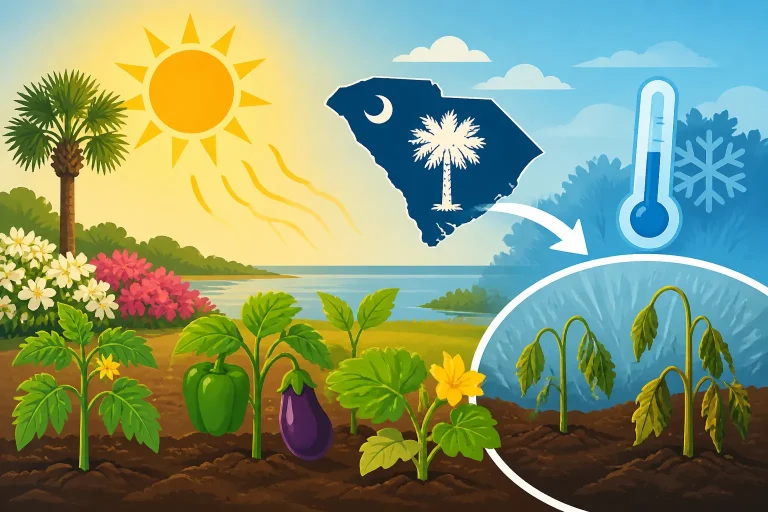
South Carolina gardeners need to consider both the crop and the local weather pattern. The state’s growing conditions are not identical from one region to another, and a date that works in one garden may not fit another. A frost date is a probability, not a guarantee that frost will or will not occur on a particular night. South Carolina Frost Freeze Timelines and Growing Season Planning can help explain how frost risk fits into seasonal planning.
Use conditions, not a calendar date alone
For warm-season crops, cold soil and lingering frost risk can make an early start frustrating. A seed may sit for a long time in unsuitable soil, while a tender transplant may be damaged by cold. For cool-season crops, waiting until the weather is warm can have the opposite effect: the plants may face increasing heat before they have produced well.
For each crop, look at:
- The conditions it needs to germinate or establish.
- Whether it can handle outdoor temperatures at the time you plan to plant.
- How long it takes to mature.
- Whether the crop will face rising heat or approaching cold during its growth.
- The local conditions in your garden, including shade, soil moisture, and exposure.
Soil warmth can affect outdoor sowing even when daytime air feels mild. How Soil Warmth and Freeze Normals Shape Early Spring Sowing covers why both soil conditions and freeze risk matter. For more precise local timing, use county and regional information alongside the seed packet rather than relying on a single statewide date.
Adjust for beds, containers, and microclimates
A sunny raised bed may warm and dry differently from a low, shaded in-ground bed. Containers can heat up and lose moisture faster than garden soil, while a sheltered wall or open, windy plot can change how exposed seedlings are. These differences do not replace seasonal guidance, but they can influence whether a seedbed is ready and how closely you need to monitor it.
Before sowing, check whether the bed drains well and whether you can keep the seed zone moist during germination. If water collects after rain, seeds may struggle in saturated soil. If the bed dries quickly, you may need to check it more often, especially for shallow-sown seed and newly emerged seedlings.
Plan a transition, not a single planting day
Many home gardens benefit from a mix of direct-sown crops and transplants. You might sow roots and beans outdoors while setting out nursery-grown or home-started transplants for crops that suit that method. This spreads the work and helps you avoid relying on one planting day for the entire garden.
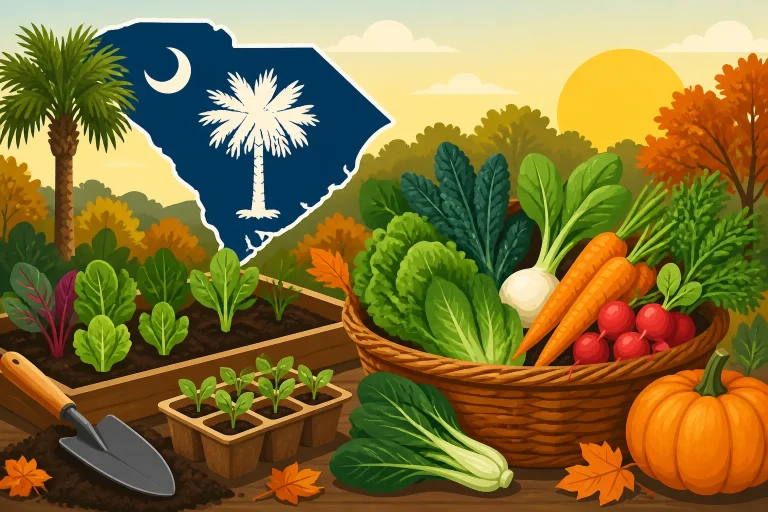
Staggering sowings can also spread harvests. Rather than sowing every seed of a quick crop at once, plant smaller amounts at intervals that fit the crop and season. Staggering Garden Sowings in Spring and Fall for Steady Yields explains this approach. When planning the change from one season’s crops to the next, Coordinating Direct Seeding and Transplants Across South Carolina can help you think through how the two methods fit together.
A Practical Routine for Sowing and Transplanting
A simple routine helps prevent common errors, whether you are sowing in a bed or raising plants indoors.
- Choose the crop and method. Check whether the seed packet recommends direct sowing, transplanting, or either method. Consider how much room and time you have.
- Check the growing conditions. Confirm that the season, soil conditions, and forecast are suitable for the crop. Avoid treating a traditional date as a guarantee.
- Prepare the bed or containers. Remove weeds and debris from outdoor beds. For indoor starts, use clean containers that drain and a suitable seed-starting medium.
- Sow at the recommended depth and spacing. Follow the packet rather than guessing. Label the row or container so you can track what you planted.
- Keep the seed zone appropriately moist. Water gently and check often enough to prevent the surface from drying during germination. Adjust for rain, heat, and the type of growing setup.
- Thin or transplant carefully. Give direct-sown seedlings the space they need. For indoor starts, wait until they are ready and harden them off before moving them outdoors.
- Monitor the crop after establishment. Look for uneven emergence, wilting, pest damage, or moisture problems. Respond to what you observe instead of applying water or other inputs automatically.
If a sowing fails, identify the likely issue before repeating it. Poor emergence may result from unsuitable soil temperature, incorrect planting depth, dry conditions, waterlogged soil, or seed movement. Transplants that struggle may have been moved too abruptly, planted into stressful weather, or kept too wet or dry. Recording what happened can make the next planting more reliable.
The best approach is the one that fits the crop and the conditions you can provide. Direct sowing keeps sensitive-rooted crops in place and can simplify the garden. Indoor starts offer a head start for crops that benefit from transplanting, but they require attention before and after planting out. A mix of both methods gives South Carolina gardeners flexibility across the growing seasons.
Frequently Asked Questions
Can I direct sow every vegetable?
No. Many vegetables can be direct sown, but some are commonly started as transplants, and some crops are more sensitive to root disturbance. Check the seed packet and consider the crop’s growing season and conditions.
Is starting seeds indoors always earlier?
It can give a crop a head start, but only if seedlings receive suitable light and care and are planted out at the right time. Weak, overgrown seedlings or a rushed move outdoors can erase that advantage.
Should I direct sow beans or start them indoors?
Beans are generally easy to sow directly once outdoor conditions suit them. Follow the packet’s guidance for the crop and variety, and avoid planting into soil that is too cold or wet.
Can I use both methods in one bed?
Yes. A garden can combine direct-sown crops and transplants. Plan spacing so that established plants do not crowd seedlings, and keep track of what is planted in each part of the bed.
Disclaimer
This article is for general informational purposes only and does not constitute professional advice. Laws, prices and regulations vary by location and change over time. Consult a qualified professional for guidance on your specific situation. South Carolina Gardening Guide is not a government agency and is not affiliated with any university extension, state department of agriculture or other government agency.